
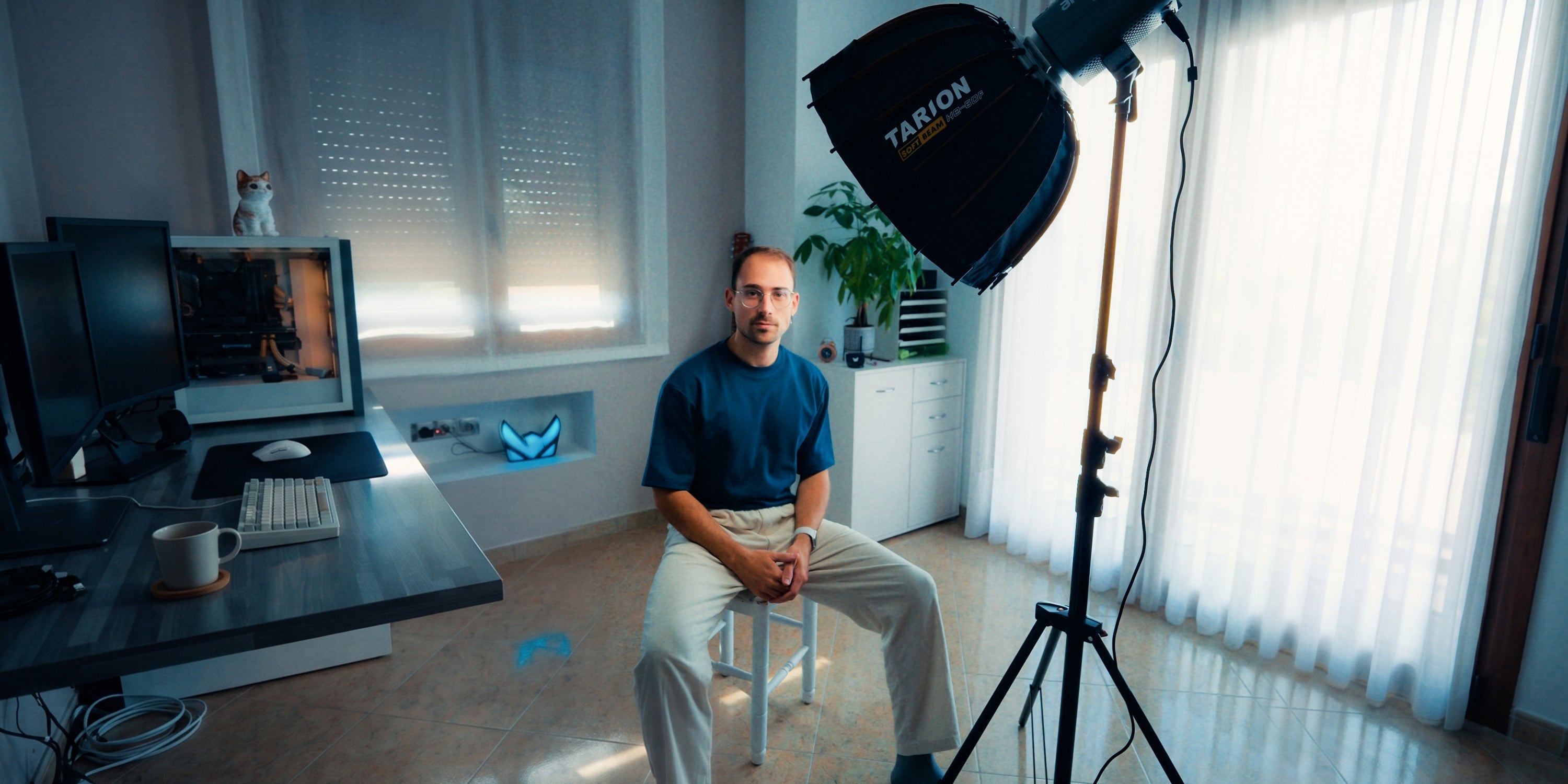
In photography and video produ ction, a softbox is far more than just a tool to reduce harsh light—it is a light-shaping instrument that creates atmosphere, manages shadow transitions, and defines subject contours.
With a wide variety of shapes, sizes, and mechanisms on the market, how do you select the one that best fits your creative workflow? This guide breaks down the essential factors: shape characteristics, physical size, internal structure, diffusion layers, beam control, and setup efficiency.

1. What Is the Primary Purpose of a Softbox?
Before diving into selection details, it helps to understand how a softbox modifies light:
-
Increases Light Source Surface Area (Alters Light Quality): Compared to a point light source, a softbox scatters light over a broader surface, resulting in smoother and more gradual shadow transitions.
-
Controls Light Spill: Its structural design channels light directional control, preventing stray light from washing out your background or causing lens flare.
-
Creates Appealing Catchlights: It produces clean, structured reflections in a subject’s eyes, bringing life and depth to portraiture.
2. How to Choose the Right Softbox: A Detailed Buying Guide

A. Shape Selection: Catchlights and Shadow Transitions
The shape of a softbox determines light dispersion patterns and influences both shadow contrast and catchlight aesthetics:
-
Square & Rectangular Softboxes:
-
Lighting Characteristics: Emulates natural window light, producing clean, rectangular catchlights.
-
Best For: Classic upper-body portraits, instrument or gear photography, and tabletop product shoots.
-
Variation (Strip Boxes): Very long and narrow rectangular softboxes. Ideal for edge lighting or rim lighting to outline body contours or evenly illuminate long objects like guitars or bats.
-
Application Note: For precise edge control in product shoots or portable studio setups, a structured rectangular design provides clean, sharp light boundaries.
-
-
Octagonal & Deep Parabolic Softboxes:
-
Lighting Characteristics: Their near-circular shape renders natural, round catchlights that mimic the sun. Deep parabolic designs bounce light internally multiple times before casting it forward, generating soft, focused, and richly layered illumination.
-
Best For: Beauty portraits, close-up fashion photography, and high-end commercial work.
-
Application Note: When shaping facial structure while keeping skin tones smooth, a Bowens-mount deep parabolic softbox offers a balance of soft output and rich shadow contrast.
-
-
Lantern / Spherical Softboxes:
-
Lighting Characteristics: Delivers 270° to 360° omnidirectional light, quickly lifting the ambient illumination across an entire room.
-
Best For: Podcast interviews, live-stream background lighting, and narrative scenes requiring soft ambient fill. The spherical design provides even illumination throughout the space.
-
B. Size Selection: Relative Surface Area vs. Light Softness
Softbox selection follows a fundamental rule of optics: The larger the softbox relative to your subject, the softer the light.
-
Small (30 cm – 60 cm / 12" – 24"):
-
Features: Highly portable with low wind resistance; ideal for speedlights and fast-paced street photography.
-
Consideration: Output remains relatively punchy unless placed extremely close to the subject.
-
-
Medium (70 cm – 90 cm / 28" – 36"):
-
Features: The sweet spot for versatility. Provides broad, soft coverage for waist-up portraits or desktop product setups while remaining easy to handle.
-
-
Large (105 cm and above / 42"+):
-
Features: The standard choice for full-length portraits, group shots, and larger products. Produces buttery-smooth light roll-off for a studio-quality finish.
-
Consideration: Requires sturdy light stands and careful handling outdoors due to wind resistance.
-
C. Internal Linings and Dual-Layer Diffusion
Internal build details affect overall light transmission efficiency and color fidelity:
-
Internal Reflective Coatings:
-
Silver Lining: The most popular choice. Provides high reflectivity and contrast, maximizing output efficiency.
-
White Lining: Yields a slightly lower contrast than silver, providing an exceptionally gentle, flat light quality suited for beauty setups.
-
-
Dual Diffusion Panels:
-
Quality softboxes include both an inner diffuser (to eliminate hot spots) and an outer diffuser (to smooth out light output across the entire front face).
-
D. Beam Control: The Value of Honeycomb Grids

Adding a honeycomb grid doesn't alter light hardness, but it narrows the beam angle (typically down to 40°–45°).
-
Without a Grid: Light spills freely into the room, spilling onto walls and backgrounds.
-
With a Grid: Light hits only your targeted subject. Background illumination drops off sharply, creating dramatic, high-contrast "low-key" lighting effects.
E. Mounting Mechanics & Setup Efficiency
For solo creators and mobile photographers, quick setup can be just as important as light quality:
-
Quick-Fold Mechanisms: Traditional rod-and-ring setups are time-consuming to assemble. Modern quick-fold mechanisms—such as those featured in the TARION SOFTBEAM Series—allow you to pop open and lock the softbox into place in seconds.
-
Mount Universal Compatibility: Industry-standard Bowens Mounts offer wide compatibility with studio strobes and continuous LEDs. If you work with hot-shoe speedlights, pairing them with an adapter like the Camera Flash Bracket Adapter lets you mount speedlights directly onto Bowens-mount softboxes.

Summary Checklist
When picking out a softbox, ask yourself these three questions:
-
What am I shooting? (Full-body portraits benefit from large parabolic softboxes; rim lighting benefits from strip boxes; streaming setups benefit from lantern softboxes.)
-
Where am I shooting? (Fixed studios accommodate large, deep modifiers; outdoor or travel shoots call for lightweight, quick-fold options.)
-
What lighting mood do I need? (If you want high contrast and minimal spill, make sure to choose a model that includes a honeycomb grid.)
Answering these questions will help you select the precise modifier needed to elevate your visual style.
Share:
2026 European Summer Photography Festivals